Topeka People Search!
- ✔ Contact Info
- ✔ Phone Numbers
- ✔ Criminal Records
- ✔ Income Info
- ✔ Neighbors
- ✔ People's Age
- ✔ Property Ownership
- ✔ And Much More
Search People In Topeka, KS
Searching for people in Topeka, KS? Enter a name and press the search button and our USA people search will quickly locate and tell you where in Topeka that person lives. The result includes address, telephone number, criminal records, income, property records, and more.
The report includes:
- Address
- Phone Number
- Criminal Records
- Public Records
- Vehicle Records
- Income
- Occupation
- Education
- Property Ownership
- Age
- Gender
- Speeding Tickets
- Arrests
- Assaults
- Court Records
- Conviction Details
- Sex Offenses
- Jail Records
- Police Report
- Driving Violations
- Mugshot(s)
- Bankruptcy Filings
- Email Addresses
- Social Accounts
- Census Records
- Articles From Newspapers
- Immigration Documents
- Photos
- Birth
- Marrige
- Divorce
- Death
- Military Records
.......and much more.

Topeka, Kansas
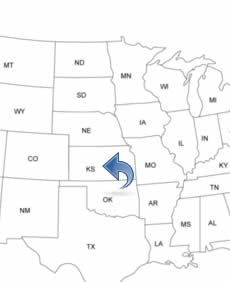
Topeka is located in the north-eastern part and is the fifth largest city in the U.S. State of Kansas. It is the capital city of Kansas. The city was the center of the landmark 1954 Supreme Court case that declared racial segregation in public schools unconstitutional.
It was founded by antislavery activists, and became the Kansas state capital because it was a stronghold for the Free-State movement.
To See And To Do In Topeka
- Ward-Meade Park
- The Cedar Crest Mansion
- Kansas State Capitol Building
- Brown v. Board of Education National Historical Park
- Kansas Museum of History
- Heartland Motorsports Park
- Constitution Hall
- Kansas Children's Discovery Center
- Happy Basset Brewing Company
- Ted Ensley Gardens
- Old Prairie Town
- Gage Park
- Iron Rail Brewing Restaurant
- The Great Overland Station
- Topeka Zoo and Conservation Center
- Mulvane Art Museum
- Charles Curtis House Museum
- The Ritchie House
- The Wheel Barrel Gourmet Grill
- Combat Air Museum
History Of Topeka - Timeline
Long before the first European came, the region was inhabited by Native American tribes. Indigenous peoples including the Kansa and Osage inhabited the plains around what is now Topeka.
In 1840, settlers and traders became common, engaging in commerce with the native populations. French-Canadian brothers Joseph, Ahcan, and Louis Pappan settled in the area after marrying three Kanza sisters. In 1842, the brothers operated Pappan's Ferry at the Kansas River.
In 1848, Louis Catalon and James McPherson settled. Louis Catalon was the nephew of the Papan brothers. James McPherson became one of the Union's youngest major generals, serving under Grant and Sherman.
In 1849, the Pottawatomie Baptist Mission Building was constructed. It was built to serve Pottawatomie Native Americans who had been forcibly removed from Indiana.
In 1854, Topeka was officially founded by nine antislavery settlers led by Cyrus K. Holliday under the Free-State movement after the Kansas–Nebraska Act opened the territory to settlement. Cyrus K. Holliday planned to build a city and railroad.
In 1855, the Topeka Constitution was framed by the settlers as a challenge to pro-slavery forces. The Constitution Hall was built. In 1856, the Ritchie House was built. It served as a key Underground Railroad station and sheltered approximately 250 enslaved people fleeing to freedom.
In 1857, the City of Topeka was incorporated, and the State Library of Kansas was established. In 1858, Topeka became the county seat of Shawnee County, after winning a popular vote against its pro-slavery rival, Tecumseh. The Topeka Police Department was established.
In 1860, Charles Curtis was born in Topeka. He later served as the 31st Vice President of the United States. He was the first person with significant Native American heritage to hold such high office.
In 1861, Topeka was designated the state capital. In 1864, Fort Simple was built to protect the city during the American Civil War. It was a temporary, log-stockade fort. In 1865, Lincoln College was founded. The Washburn University of Topeka was established.
In 1867, the Kansas State Capitol building was constructed. In 1869, Atchison, Topeka and Santa Fe Railway was established.
In 1870, a Public Library was established. The Topeka Fire Department was established. The Ward-Meade Mansion was built. Anthony A. Ward was a skilled wheelwright and blacksmith who repaired wagons for westward-bound travelers and provided materials for the building of Topeka. He was selling land, timber, and building materials to settlers, and his home functioned as an important stop on the Oregon Trail.
In 1871, the Topeka High School was established. In 1872, Topeka State Hospital opened. Public transit began with a horse-drawn wagon service. In 1875, the Kansas Historical Society was founded in the city. In 1878, the general office of Atchison, Topeka and Santa Fe Railroad was built in Topeka.
In 1879, the Charles Curtis House was built. In 1882, the John Sargent House was built. John Sargent was known as the man who built Topekaa. He was a stone mason and contractor who established the Sargent Cut Stone Company. He constructed many of the city's buildings, including the Kansas State Office Building.
In 1887, the Topeka Golden Giants baseball team was formed. In 1889, the city had electric streetcars. In 1899, one of the city’s largest parks, Gage Park, was established.
In 1900, the Bethel Bible College was founded. In 1901, St. Joseph's Catholic Church was built. The Topeka Council of Colored Women's Clubs Building was constructed. In 1902, the Smith Automobile Company was launched. In 1903, the Kansas State Capitol building was completed.
In 1904, the Washburn University Carnegie Library Building was built. In 1906, the Bethesda Hospital opened. In 1908, the construction of the St. John African Methodist Episcopal Church began. In 1909, St. Francis Hospital opened.
In 1911, Hayden High School was established. In 1914, the Memorial Building was completed. In 1917, the construction of Grace Episcopal Cathedral was completed. In 1918, Washburn Rural High School was founded. In 1919, the construction of the St. John's Lutheran School building began.
In 1920, the Menninger Clinic opened. The Seaman High School was founded. In 1921, North Topeka Baptist Church was built. In 1924, the Church of the Assumption and Rectory was built. In 1926, the Jayhawk Hotel and Theatre opened. The construction of the Westminster Presbyterian Church was completed.
In 1927, the construction of Great Overland Station was completed. In 1928, the Cedar Crest Mansion was built for Topeka State Journal and Emporia News newspaper publisher Frank P. MacLennan. In 1933, the Topeka Zoo opened. In 1936, the Sumner Elementary was built. In 1939, Topeka Performing Arts Center opened.
In 1941, the Army Air Field was established. In 1950, a new railroad station was built.
In 1954, the seven years old Linda Brown was forced to attend a segregated school. The U.S. Supreme Court declared segregated schools unconstitutional. This was one of Topeka's most historic contributions to civil rights. (Brown v. Board of Education of Topeka).
In 1955, the Westboro Baptist Church opened. In 1958, the world famous actress Annette Bening was born in the city. In 1962, Cedar Crest became the official governor's residence. In 1963, the Heartland Motorsports Park was established.
In 1966, a tornado damaged thousands of homes and Washburn University. 17 people were killed, and more than 500 people were injured. In 1980, the Cair Paravel-Latin School was founded.
In 1984, Kansas Museum of History opened. In 1988, the West Ridge Mall opened. In 1989, the new Heartland Park motorsports complex opened. In 1991, Topeka Performing Arts Center opened. In 1992, Ted Ensley Gardens was established.
In 2004, Brown v. Board of Education National Historic Site opened. In 2011, the Kansas Children's Discovery Center opened.
In 2026, there were 125,786 people living in the city.