Macon People Search!
- ✔ Contact Info
- ✔ Phone Numbers
- ✔ Criminal Records
- ✔ Income Info
- ✔ Neighbors
- ✔ People's Age
- ✔ Property Ownership
- ✔ And Much More
Search People In Macon, GA
Searching for people in Macon, GA? Enter a name and press the search button and our USA people search will quickly locate and tell you where in Macon that person lives. The result includes address, telephone number, criminal records, income, property records, and more.
The report includes:
- Address
- Phone Number
- Criminal Records
- Public Records
- Vehicle Records
- Income
- Occupation
- Education
- Property Ownership
- Age
- Gender
- Speeding Tickets
- Arrests
- Assaults
- Court Records
- Conviction Details
- Sex Offenses
- Jail Records
- Police Report
- Driving Violations
- Mugshot(s)
- Bankruptcy Filings
- Email Addresses
- Social Accounts
- Census Records
- Articles From Newspapers
- Immigration Documents
- Photos
- Birth
- Marrige
- Divorce
- Death
- Military Records
.......and much more.

Macon, Georgia
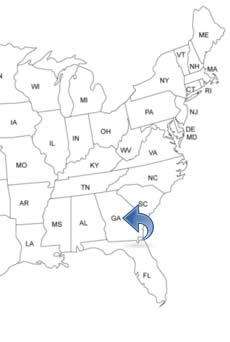
Macon is located in the central part and is the fourth largest city in the U.S. State of Georgia. The city is named after the American politician Nathaniel Macon. The city is known for the International Cherry Blossom Festival, its cultural sites, and musical heritage.
In 2014, it became the state's fourth-largest city when the merger of the Macon and Bibb County became official. More than 1 million people visits downtown Macon annually.
To See And To Do In Macon
- Fort Hawkins
- Museum of Arts and Sciences
- Otis Redding Museum
- Visit the Hay House
- Rock Candy Tours (explore the city's rich music history)
- Ocmulgee Mounds National Historical Park
- Georgia Sports Hall of Fame
- The Allman Brothers Band Museum
- Fall Line Brewing Co.
- Visit the Capricorn Sound Studio
- St. Joseph Catholic Church
- The Cannonball House and Museum
- Gallery West (Kirk West's photos of music legends)
- Museum Of Technology
- Downtown Shopping
- The Tubman African American Museum
History Of Macon - Timeline
For more than 12,000 years, different American Indian cultures has lived in the area. Native Americans, particularly the Creek Indians lived in the area when the first European came.
In 1797, records shows that Timothy Barnard settled and established a trading post. Timothy Barnard married an Indian woman and he was trusted by his Indian neighbors who traded with him. He was the first known white resident in the area.
In 1806, Fort Hawkins was built by the United States Army. It served as a military outpost, a post office, and a trading post. People from the Creek Nation often came to trade deerskin with the soldiers, and the settlers. The fort attracted European settlers and they called the community Newtown.
In 1818, Simri Rose arrived. He was a publisher, a hobby horticulturist, and established gardens crowded with flowers and and trees. When the city was laid out, he ensured that many parks and trees were included in the master plan. Later he also designed the Rose Hill Cemetery. In 1821, the settlement was officially named Newtown. In 1822, the town of Macon was laid out.
In 1823, the town of Macon was officially incorporated. The town was named after the North Carolina statesman Nathaniel Macon. Nathaniel Macon was a respected political figure, and served as U.S. Representative, and Speaker of the House. The Dr. Ambrose Baber House was built. He was a respected local doctor and the head American diplomat to the Kingdom of Sardinia. Simri Rose and Matthew Robinson published the Messenger. The Solomon-Smith-Martin House was built by Henry Solomon as the centerpiece of a working farm.
In 1824, the Georgia Messenger was published. Solomon Humphries established a general store. He was a slave who purchasing his freedom. In 1825, Benjamin R. Austin laid out Macon's plat. The Old City Cemetery was established. In 1826, the Macon Telegraph newspaper was published. John Widick and Emanuel Widick arrived and were among the first to build permanent homes for them and their families.
In 1829, Macon annexed Newtown. In 1832, a volunteer Fire Brigade was formed. In 1833, steamboats connected Macon with the port of Savannah. In 1834, the City of Macon was incorporated. In 1835, the Solomon-Curd House was built. Solomon Humphries was a slave who established a general store after purchasing his freedom.
In 1836, the Cowles-Woodruff House was built by George F. Woodruff. He was a prominent banker and businessman. The mansion was built for railroad financier Jere Cowles. In 1837, the building for the headquarters of the Monroe Railroad & Banking Co. was completed. (Todays City Hall). The Randolph-Whittle House was built by Dr. Richard Henry Randolph.
In 1838, the Macon and Western Railroad opened for business. In 1839, Georgia Female College opened its doors to students.
In 1840, the Rose Hill Cemetery was built. The Rock Rogers House was built by George Tyler Rogers. The Green-Poe House was built by physician James Mercer Green. The Holt–Peeler–Snow House was built for Thaddeus Goode Holt. He was a leading lawyer in Macon, and a judge. The Sidney Lanier Cottage was built by Sidney's grandparents. Sidney Lanier was practicing law. He was a poet, musician, and scholar.
In 1842, the 1842 Inn mansion was built by John Gresham. John Gresham was a two-time mayor, a judge, and a prominent businessman. In 1844, the Domingos House was built. In 1847, the Georgia Journal was published. In 1848, the Carmichael House was built for the local lawyer and judge Cadwalader Raines.
In 1850, John Gresham established the Macon Manufacturing Company, and built a cotton mill. In 1851, the Christ Church was built. It was the first church established in the city. In 1853, the Cannonball House (Judge Asa Holt house) was built. It earned its name after being damaged from a cannonball strike from the Union Army during American Civil War.
In 1855, William Butler Johnston began the construction of the Hay House. William Butler Johnston was a wealthy man. He was a businessman who invested in railroads, and banking. In 1856, the Willingham-Hill-O'Neal Cottage was built. Calder Baynard Willingham was a businessman who established the Willingham Mill.
In 1857, the Militia Headquarters Building was erected. It served as the headquarters for the Georgia militia. The Munroe–Dunlap–Snow House was built for Nathaniel Campbell Munroe. He was a director of the Macon and Western Railroad and of the Macon Manufacturing Company, He also was involved in the Library Society and as secretary of the Board of Health.
In 1858, the First Presbyterian Church was built. In 1859, the Police Department was formally established. The Judge Clifford Anderson House was built. He was a prominent jurist and politician. The Emerson-Holmes Building was built. George W. Emerson and W. P. Holmes were dentists. The Goodall House was built.
In 1860, the Lassiter House was built by Nathan H. Beall. He was a wealthy plantation owner. The Slate House was built. It was built to house the engineers who at the time worked with the Hay House. In 1864, the city was besieged by Union forces. In 1869, the Georgia Weekly Telegraph was published.
In 1871, the Mercer University moved to the city, and the Bibb Manufacturing Company was founded by Hugh M. Comer and the Hanson brothers. It started as a railway warehouse. Later it produced cotton products. In 1874, a Public Library was established, and the Grand Opera House (the Academy of Music) was built.
In 1876, the Mount de Sales Academy was established as a boarding school for girls. In 1880, the Hatcher-Groover-Schwartz House was built by Marshall James Hatcher. In 1884, the Macon Daily News was in print.
In 1887, the Riverside Cemetery was established. The first paid fire company was organized. The Thomas C. Burke House was built. He was a successful businessman. Georgia's first mass murder took place.
Also in 1887, the Woolfolk family was murdered. Nine family members were axed to death. 27-year-old Tom Woolfolk was the only who survived. He claimed to have escaped intruders and sought help. Later, the same day, suspicion immediately focused on Tom Woolfolk, and all evidence pointed to him as the murderer. He was convicted and hanged, in front of a crowd of 10,000 people, for the crime.
In 1894, the Linwood Cemetery was established. In 1897, the Commercial Savings and Loan building was built. In 1889, the Saint Joseph's Catholic Church was built.
In 1900, the Price Library, a public library, opened. In 1901, the Oscar-winning actor Melvyn Douglas was born in the city. In 1908, the Old U.S. Post Office and Federal Building was built. (William Augustus Bootle Federal Building and United States Courthouse). In 1916, the Terminal Railroad Station was built. In 1917, the Cox Capitol Theatre opened. (Hargray Capitol Theatre).
In 1919, Paul Jones was lynched. Paul Jones allegedly attacked a white woman. A white mob of 400 people seized Jones from the deputies. They tied a rope around his neck and dragged him down the railroad tracks. Then they poured coal oil on him and set his body on fire and burned him alive. Then they shoot him with fifty bullets.
In 1921, the Douglass Theatre and Rialto Theatre opened. In 1922, the WMAZ radio began broadcasting. In 1925, the Macon City Auditorium was built. In 1927, Villa Albicini was built for Daniel Horgan and his his family. Daniel Horgan was a local florist. In 1929 the Luther Williams Field baseball stadium opened.
In 1932, Little Richard was born in the city. In 1933, the Citizens and Southern National Bank house was built. In 1934, Macon Little Theatre opened. In 1938, the Bibb Theatre opened. In 1939, the jazz and blues saxophonist Rosa King was born in the city. She was very popular in Europe and worked with many artists, including Ben E. King, Cab Calloway, Stan Getz, and Candy Dulfer. In 1948, WIBB radio began broadcasting.
In 1952, the world famous R&B and jazz singer Randy Crawford was born in the city. Georgia Journal newspaper was published. In 1953, WMAZ-TV began broadcasting. In 1955, James Brown recorded his single, Please, Please, Please, at the WIBB radio studio.
In 1960, the private school Stratford Academy opened. In 1967, Ottis Redding died in a plane crash and the funeral was held at the City Auditorium in Macon. In 1968, the Macon Junior College was established. In 1969, the Capricorn Records was founded by Phil Walden and Frank Fenter.
In 1977, the country music singer Jason Aldean was born in the city. The Solomon-Curd House was destroyed by fire. In 1982, the city celebrated its first International Cherry Blossom Festival. In 1994, the city was cut off by flood waters severing all roads in and out of the city.
In 2009, a house called the Big House, was made into a museum to honor the musical legacy of the Allman Brothers Band. Duane Allman and bandmate Berry Oakley rented this house from 1970 until early 1973. In 2015, the Amerson River Park was created. In 2025, there were 157,056 people living in the city.