Pueblo People Search!
- ✔ Contact Info
- ✔ Phone Numbers
- ✔ Criminal Records
- ✔ Income Info
- ✔ Neighbors
- ✔ People's Age
- ✔ Property Ownership
- ✔ And Much More
Search People In Pueblo, CO
Searching for people in Pueblo, CO? Enter a name and press the search button and our USA people search will quickly locate and tell you where in Pueblo that person lives. The result includes address, telephone number, criminal records, income, property records, and more.
The report includes:
- Address
- Phone Number
- Criminal Records
- Public Records
- Vehicle Records
- Income
- Occupation
- Education
- Property Ownership
- Age
- Gender
- Speeding Tickets
- Arrests
- Assaults
- Court Records
- Conviction Details
- Sex Offenses
- Jail Records
- Police Report
- Driving Violations
- Mugshot(s)
- Bankruptcy Filings
- Email Addresses
- Social Accounts
- Census Records
- Articles From Newspapers
- Immigration Documents
- Photos
- Birth
- Marrige
- Divorce
- Death
- Military Records
.......and much more.

Pueblo, Colorado
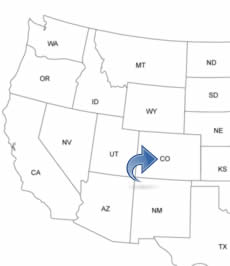
Pueblo is located in the south-central part and is the ninth largest city in the U.S. State of Colorado. It has earned the nicknamed the Steel City for its historic role in steel production.
The city has a low cost of living with housing costs up to 45 percent lower than national averages. The city is also known for its unique, locally grown Pueblo chile, a pungent, thick-walled, and versatile pepper variety.
To See And To Do In Pueblo
- Rosemount Museum
- Steelworks Museum
- Pueblo Heritage Museum
- Cathedral Of The Sacred Hear
- El Pueblo History Museum
- Sangre de Cristo Arts and Conference Center
- The Zoo
- B Street Cafe
- Arkansas Riverwalk of Pueblo
- Weisbrod Aircraft Museum
- San Isabel National Forest
- The City Park
- Railway Museum
- La Forchetta da Massi Restaurant
History Of Pueblo - Timeline
Thousands of years before the first Europeans came, the Paleo-Indians and Archaic peoples lived in the region that would become Pueblo. In 1050, people of the Apishapa culture lived in the area. In 1500, Ute hunter, Apache, Cheyenne, Pawnee, and other tribes used the region for bison hunting.
In 1521, Spain claimed control of the region and a smaller settlement was established but it wasn't permanent. In 1541, Francisco Vasquez de Coronado explored the area.
In 1842, Fort Pueblo was established as a fortified trading post. It was a fur-trading post and a frontier settlement, founded by George Semmes Simpson and Robert Fiser. George Semmes Simpson was a trapper, trader, adventurer, farmer, and a rancher. Robert Fiser was a mountain man and trader. The settlers at Fort Pueblo were a mix of French-Canadian, Anglo, and American Indian trappers.
In 1854, Fort Pueblo was attacked by Ute and Apache warriors and the settlement was abandoned. Roughly 15-20 settlers were killed two boys were captured. (The boys were later released).
In 1858, new settlers arrived when gold was discovered. In 1859, Joseph Doyle, one of the builders of Fort Pueblo, purchased 1,200 acres of land and built the Doyle ranch and settlement.
In 1860, the Town of Pueblo was established, and a post office opened and a schoolhouse was built. In 1863, John Thatcher built a general store. He was later joined by his brother Mahlon Thatcher. In 1866, a County Courthouse was built.
In 1867, Cheyenne and Arapaho tribes were forced to relocate to Oklahoma. In 1868, Ute tribes were relocated to western Colorado after a treaty. The Colorado Chieftain newspaper was published. The Charles Goodnight's Rock Canon Ranch was built. A telegraph line to pueblo was built. In 1869, the Quaker Flour Mill was built.
In 1870, the town of Pueblo was incorporated. In 1871, John and Mahlon Thatcher established the First National Bank of Pueblo. The Goodnight Barn was completed on the Charles Goodnight's Rock Canon Ranch. The Chillcott Hotel opened.
In 1872, the Denver and Rio Grande Railroad reached the town. The James N. Carlile House was constructed. James N. Carlile was a pioneer and railroad builder. A Courthouse was built.
In 1873, Pueblo was incorporated as a city after its population exceeded 3,000. In 1874, a volunteer Fire Department was organized. In 1875, President Ulysses S. Grant visited Pueblo. The Baxter House was built. Oliver Hazard Perry Baxter was a 19th-century Colorado pioneer, legislator, and businessman.
In 1880, installation of residential telephones grew rapidly. In 1881, Dr. Richard Corwin started a medical clinic in the city. The Central High School opened. The Numa Hotel opened. In 1882, the Colorado Coal and Iron Company began its steel production. A city hall was built. The Grand Hotel opened.
In 1885, Pueblo, South Pueblo, and Central Pueblo merged to form the City of Pueblo. The Bloom Land and Cattle Company was established by Frank Bloom, and John and Mahlon Thatcher. In 1886, a Police Department was established. The city had electricity.
In 1887, a city hall was built that combined multiple office locations and departments. In 1888, the J. L. Streit House was built. J. L. Streit was a real estate broker.
In 1889, the Fountain Lake Hotel opened. A Fire Department was established. The Barndollar–Gann House was built. William J. Barndollar was a prominent banker, businessman, and politician. The Allen J. Beaumont House was built. Allen J. Beaumont was a railroad professional who worked for the Denver and Rio Grande Railroad.
The Nathaniel W. Duke House was built. He was a wholesale grocer, businessman, and community leader in the city. The First Congregational Church was built. The Frank Pryor House was built. Pryor was a cabinetmaker who founded a furniture store. The city had electric streetcar lines. The Riverside School was built.
In 1890, the Orman-Adams House was built. Colorado governor James B. Orman was the original owner. Later the Colorado governors Alva B. Adams and family moved in. The Charles H. Stickney House was built. Charles H. Stickney was a banker and businessman. The Tutt Building was completed. harles Leaming Tutt Sr was a mining magnate, real estate investor, and entrepreneur. The Union Depot was built. The Grand Opera House was built.
In 1891, the Eighth Street Baptist Church was built. The Galligan House was built. Mathew J. Galligan was a judge, city attorney, and a civic leader in the city. The Dr. Alexander T. King House and Carriage House was built. Dr. Alexander T. King was a doctor and for a period the mayor of Pueblo. The Mechanics Building was built. It originally was a commercial office building, with the Mechanics Savings Bank as its main tenant.
The Roselawn Cemetery was established as Riverview Cemetery. The Tooke-Nuckolls House was built. Emmet Nuckolls was a prominent businessman in Pueblo. The Asbury White House was built. He was a businessman in Pueblo. The Colorado Mineral Palace was built. It was a massive exhibition hall and museum to showcase the state's vast mineral wealth.
In 1892, the Bowen Mansion was built. Thomas M. Bowen was a Judge and a U.S. Senator. The Gast Mansion was built. Charles E. Gast was an attorney and a key business partner of the Thatcher brothers. The Ward Rice House was built. Ward Rice was a banker, real estate and insurance businessman and county treasurer.
In 1893, the Hazelhurst Mansion was built. It was built for Emanuel Clay Tolle, a prominent rancher in Pueblo. In 1893, John Thatcher built a mansion for him and his family. (Later the Rosemount Museum). In 1894, the town of Bessemer was annexed into Pueblo.
In 1895, the Henkel-Duke Mercantile Company Warehouse was built. In 1896, William J. Barndollar was murdered. Despite being a high-profile case, the murder was never solved. In 1897, the Pueblo Federal Building was built. The building served as a federal courthouse and post office.
In 1898, the Walter Brewing Company was founded. In 1900, there were 28,157 people living in the city. The Temple Emanuel synagogue was completed.
In 1900, there were 28,157 people living in the city. In 1901, the Minnequa Steel Works Office Building and Dispensary was built. In 1902, the First Methodist Episcopal Church was built. The Fitch Terrace residential building was completed. Michael Fitch served as the receiver of public money for the Pueblo Land Office, and was president of the Stockgrowers National Bank. The Minnequa Hospital opened.
In 1904, a public library opened. In 1905, the Christopher Columbus monument was unveiled. In 1906, the McClelland Orphanage was established. It served as a orphanage and residential care center. In 1907, the St. John's Greek Orthodox Church was built.
In 1908, the construction of the Martin Walter House was completed. Martin Walter was the founder of the Walter Brewing Company. In 1909, the Edison School was built. The Rood Candy Company Building was built. The Rood Candy Company was one of the leading candy manufacturers in the state.
In 1910, the Dr. John A. Black House was built. Dr. John A. Black was a prominent local physician. In 1911, the Vail Hotel was built. The City Park Carousel was built. (The George R. Williams Memorial Carousel, who was a prominent historian and community leader in the city).
In 1912, the construction of the Pueblo County Courthouse was completed. In 1913, the construction of the Cathedral of the Sacred Heart was completed. In 1914, the Thatcher Building was constructed. It served as a prominent banking and office building.
In 1915, the R.T. Frazier House was built. Robert Thompson Frazier was a saddlemaker and harness manufacturer. In 1916, the construction of the St. Paul African Methodist Episcopal Church was completed. In 1917, Pueblo Flour Mills opened. In 1919, the Pueblo Memorial Hall opened.
In 1921, a devastating flood destroyed parts of the city and killed hundreds. It was one of the deadliest in U.S. history. In 1922, KGDP radio station went on the air. In 1923, Parkview Medical Center opened. In 1924, the Santa Fe Avenue Bridge, and the St. Charles Bridge were built.
In 1925, the Colorado Building, a historic commercial building, was built. Traffic lights were installed. In 1927, Central Junior High School was built. (Later renamed Keating Junior High School). The Star Journal Model Home was completed.
In 1933, the Southern Colorado Junior College was founded. (Colorado State University Pueblo). In 1934, the Young Women's Christian Association building was completed. The Colorado State Hospital Superintendent's House was built. In 1936, the Montgomery Ward Building was built. It was originally used for as a department store for the Montgomery Ward Company.
In 1940, the construction of the Zoo was completed. In 1941, the Coronado Lodge was completed. It was in the beginning a safe lodging option for traveling African-Americans. In 1948, President Harry S. Truman made a speech in the city.
In 1949, St. Mary's and Corwin Hospitals merged. In 1950, there were 63,685 people living in the city. In 1953, DZA-TV began broadcasting. In 1959, El Pueblo Museum opened. In 1972, the Sangre de Cristo Arts and Conference Center was established. In 1975, the construction of the Pueblo Dam was completed. The Pueblo Ice Arena opened.
In 1982, the steel market crashed which hit Pueblo hard with multiple bankruptcies. In 1993, the Oregon Steel company purchased the bankrupt Colorado Coal and Iron Company. In 2000, Historic Arkansas Riverwalk opened. In 2003, the new El Pueblo History Museum complex was built. In 2021, a mass grave was found in an older section of the Roselawn Cemetery.
In 2026, there were 111,561 people living in the city.