Tempe People Search - AZ!
- ✔ Contact Info
- ✔ Phone Numbers
- ✔ Criminal Records
- ✔ Income Info
- ✔ Neighbors
- ✔ People's Age
- ✔ Property Ownership
- ✔ And Much More
Search People In Tempe, AZ
Searching for people in Tempe, AZ? Enter a name and press the search button and our USA people search will quickly locate and tell you where in Tempe that person lives. The result includes address, telephone number, criminal records, income, property records, and more.
The report includes:
- Address
- Phone Number
- Criminal Records
- Public Records
- Vehicle Records
- Income
- Occupation
- Education
- Property Ownership
- Age
- Gender
- Speeding Tickets
- Arrests
- Assaults
- Court Records
- Conviction Details
- Sex Offenses
- Jail Records
- Police Report
- Driving Violations
- Mugshot(s)
- Bankruptcy Filings
- Email Addresses
- Social Accounts
- Census Records
- Articles From Newspapers
- Immigration Documents
- Photos
- Birth
- Marrige
- Divorce
- Death
- Military Records
.......and much more.

Tempe, Arizona
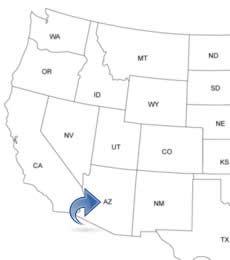
Tempe is located in the south-central part and is the 9th largest city in the U.S. State of Arizona. It is considered an inner suburb of Phoenix about 20-25 minutes by car east of downtown Phoenix.
The city is the home of Arizona State University, one of the largest public universities in the U.S. Over 2.5 million visits the city annually for activities like fishing and kayaking.
To See And To Do In Tempe
- The Tempe History Museum
- Mill Avenue District - Shopping and Dining
- Kiwanis Park
- Niels Petersen House Museum
- SEA LIFE Arizona Aquarium>
- Papago Park
- Hayden Butte Preserve
- Pedal Haus Brewery
- The Arizona State University Art Museum
- The Marketplace - Over 100 shops and restaurants
- CaskWerks Distilling Co.
- Tempe Beach Park
- Perfect Pear Bistro
History Of Tempe - Timeline
Thousands of years before the first white settler came, the land was inhabited by the Hohokam tribe. In 1450, the Hohokam culture began to decline and the area was inhabited with other Native tribes, such as the Apache. In 1539, the Frensh missionary Fray Marcos de Niza explored the area. In 1700, the Spanish missionary Father Eusebio Kino explored the area.
In 1869, William Kirkland and James McKinney helped to construction the first canal in the area. In 1870, Charles Trumbull Hayden claimed two sections of land for farming, and milling. He used the land to established a homestead. He built a grist mill, a general store, a cable ferry, and other businesses. William Kirkland built a home and started a farm.
In 1871, the Tempe Irrigating Canal Company was formed to develop the Kirkland McKinney canal. There were now several small settlements in the area. In 1872, the Hayden's Ferry Post Office was established. The Hispanic settlers, who came to work with the canal, name the land the settlement of San Pablo. In 1874, Charles Trumbull Hayden opened a Flour Mill.
In 1879, the town was officially named Tempe, and the Hayden's Ferry Post Office was renamed Tempe Post Office. In 1880, the Gonzales-Martinez House was built. Ramon Gonzales was an employee of Charles Trumbull Hayden at his adjacent Salt River ferry. In 1882, a colony of Mormons came a settled.
In 1885, the Arizona State University was founded as Territorial Normal School. In 1886, the Territorial Normal School opened. In 1887, the railroad was completed between Tempe and Phoenix. The Tempe stockyard was built for shipment of cattle to other states. The Tempe News was published. The L. W. Blinn Lumber Yard , and the H. W. Ryder Lumber Yard was established.
In 1888, a schoolhouse was built. The Andre Building was built. R. G. Andre was a skilled saddlemaker and businessman and opened a saddlery and harness shop in the building. The Casa Loma Building was originally built as a Victorian hotel. Niels Peterson donated the land to the Double Butte Cemetery and the first graves were dug.
In 1890, the Tempe Land and Improvement Company put out ads to recruited more settlers to the area, and many families from Kansas arrived and settled in the town.
In 1891, a telephone service was established between Tempe and Phoenix. In 1892, the city of Tempe was incorporated. Tempe Creamery opened its business to produce cheese, butter, and ice. The Niels Petersen House was built. Niels Petersen, a Danish immigrant, was a prominent local farmer and entrepreneur in the town.
In 1893, the Laird and Dines building was built. It housed a pharmacy run by Dr. J. A. Dines and Hugh Laird and operated as a drug store. It was also a town hall, and served as a post office. The Vienna Bakery Building was built. It originally housed T.F. Hudson's drugstore and later Charles Bauer operated a bakery. The Governor B. Moeur House was originally built. It was the home of Dr. B.B. Moeur, the eighth Governor of Arizona, who purchased it a couple of years after it was built.
In 1895, the Tempe Daily News newspaper was in print. In 1898, downtown had electric streetlights installed. The Hardware Building was built. The building was originally built as the Odd Fellows Hall. In 1899, a phone service was establishes for the residents and businesses.
In 1900, around 1000 people lived in the town. In 1902, a volunteer fire department was organized. In 1903, the St. Mary's Church was built. In 1904, the Phoenix and Eastern Railroad steel bridge was completed. In 1907, the Goodwin Opera House opened.
In 1909, a high school was built. William Howard Taft was the first U.S. president to visit the town. In 1912, a city hall, jail, and a library opened. The National Bank Building was completed. In 1914, the Tempe Cotton Exchange was incorporated. The Tempe Cotton Gin was built. In 1915, a sewer system was constructed.
In 1918, the new Hayden Flour Mill opened. (The old was destroyed in a fire the year before). In 1919, the E.M. White Dairy Barn was built as a dairy. In 1920, the Watson's Flower Shop building was completed. It was originally built as a gas station. In 1923, a swimming pool at Tempe Beach Park opened. In 1924, the Train Depot was built.
In 1927, the Cotter Maternity Hospital opened, and the Beach Stadium was built. In 1930, the Eisendrath House was built. Rose Eisendrath was a widow of a wealthy glove manufacturer. In 1931, the Mill Avenue Bridge was built. In 1933, the College Theatre was built. (The Valley Art Theatre). In 1934, the Arizona State Welfare Sanitarium opened for tuberculosis patients.
In 1937, the Southside Progress newspaper was published. In 1940, the College Theatre opened. In 1944, the Tempe Clinic Hospital opened. In 1944, the Clinic Hospital opened. In 1948, the First Congregational Church was built. In 1949, the Lakeside Amusement Park opened.
In 1952, African American students were integrated into the schools. In 1956, the Bayless Market, and the Tempe Center shopping plaza, opened. In 1958, Arizona State University finally got its name. The ASU Sun Devil Stadium was built. In 1959, the Western Rolling Mills opened.
In 1961, a U.S. Post Office opened. In 1963, the Legend City theme park opened. In 1968, the Diablo Stadium was built. In 1969, the Big Surf Waterpark was built. In 1970, a new City Hall was built. In 1971, the Tempe Public Library was built. In 1972, the Police Department was established.
In 1989, the Public Library building was completed. In 1993, the band Refreshments was formed. In 1999, the construction of the Town Lake was completed. In 2004, the Swedish furniture company IKEA opened a store. In 2007, the Center for the Arts opened.
In 2009, President Barack Obama visited the city. In 2022, Tempe Streetcar began its service. In 2026, there were 190,114 people living in the city.