Durham People Search!
- ✔ Contact Info
- ✔ Phone Numbers
- ✔ Criminal Records
- ✔ Income Info
- ✔ Neighbors
- ✔ People's Age
- ✔ Property Ownership
- ✔ And Much More
Search People In Durham, NC
Searching for people in Durham, NC? Enter a name and press the search button and our USA people search will quickly locate and tell you where in Durham that person lives. The result includes address, telephone number, criminal records, income, property records, and more.
The report includes:
- Address
- Phone Number
- Criminal Records
- Public Records
- Vehicle Records
- Income
- Occupation
- Education
- Property Ownership
- Age
- Gender
- Speeding Tickets
- Arrests
- Assaults
- Court Records
- Conviction Details
- Sex Offenses
- Jail Records
- Police Report
- Driving Violations
- Mugshot(s)
- Bankruptcy Filings
- Email Addresses
- Social Accounts
- Census Records
- Articles From Newspapers
- Immigration Documents
- Photos
- Birth
- Marrige
- Divorce
- Death
- Military Records
.......and much more.

Durham, North Carolina
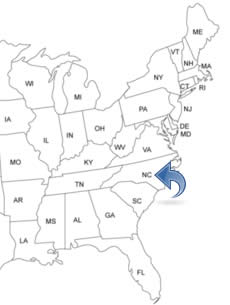
Durham is located in the north-central part and is the fourth largest city in the U.S. State of North Carolina. It is known as the Bull City and the City of Medicine. Healthcare as a major industry in the city.
The city was once a center for the tobacco industry. The minor league baseball team, the Durham Bulls, was featured in the movie Bull Durham with Kevin Costner.
To See And To Do In Durham
- Walking in Downtown
- Museum of Life and Science
- Duke Basketball Museum
- Sarah P. Duke Gardens
- Durham Central Park
- The Bennett Place Historic Site
- Stagville Historic Site
- Honeygirl Meadery
- Zinchouse Winery and Brewery
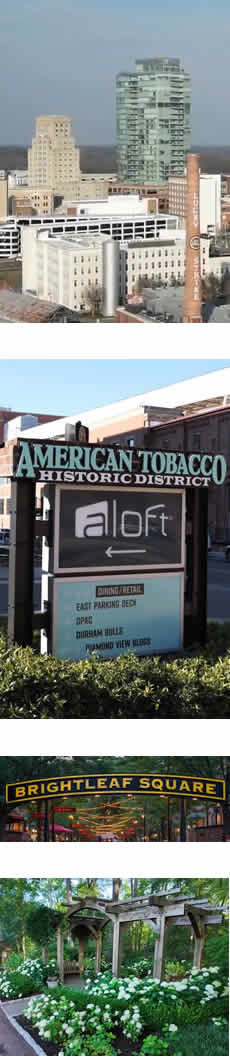
- American Tobacco Historic District
- Guglhupf Bakery, Cafe and Biergarten
- The Refectory Cafe
- Shopping at The Streets at Southpoint
- The Durham Hotel Roof Bar
- Brightleaf Square Shopping Mall
History Of Durham - Timeline
Thousands of years before the first white settlers came, Native American tribes lived in the area. In 1701, the English explorer, naturalist, and writer, John Lawson, came to the area and documented it.
In 1752, Michael Synott and other white settlers came to the area and noticed a springs that contained freshwater. They built mills and the first mill built was named Synott's Mill. In 1778, another mill was established. In 1787, the Bennehan House, was built. They were wealthy landowners who enslaved hundreds of people on their plantation.
In 1810, the Fairntosh Plantation was established. In 1817, Herbert Sims acquired the mill that was built in 1778. In 1839, the first post office was established. In 1849, Bartlett Durham donated four acres of land to the railroad and a railway depot was established. In 1850, the Horton Grove Complex were built. Around 900 slaves were held on the complex. In 1853, a new Post Office was established.
In 1858, Robert F. Morris opened a tobacco processing factory. In 1862, John Ruffin Green bought the tobacco factory from Robert Morris. Green named his brand Genuine Durham Smoking Tobacco. In 1867, Durham officially became a town. In 1869, Durham was re-incorporated. In 1870, the Kinchen Holloway House was built. In 1872, the Maplewood Cemetery was established. In 1874, the Blackwell tobacco factory was built. In 1876, Geer Cemetery was established.
In 1881, W. Duke Sons and Company tobacco company started. In 1887, a horse-drawn streetcar service was established, and the Main Street Methodist Church was built. In 1888, Durham had electricity for its private residences. In 1889, the Durham Sun newspaper started, and the Richard D. Blacknall House was built. In 1890, Buck Duke started the American Tobacco Company.
In 1891, the St. Joseph's African Methodist Episcopal Church was built, the Bassett House, the Pegram House, and the Crowell House were built, and a fire station was built. In 1892, the first dedicated public school building was constructed. Trinity College moved to the city. In 1894, the Morning Herald newspaper started. In 1895, the Erwin Park was established. In 1898, John Merrick establishes NC Mutual Insurance Co. It is the oldest black-owned insurance company in the U.S. The Pauli Murray Family Home was built.
In 1900, around 26,200 people lived in the city. In 1901, the Lincoln Hospital opened. In 1902, the Durham Hosiery Textile Mill was built. In 1906, the Immaculate Conception Catholic Church was built, and the Smith Warehouse was built. In 1907, the Duke Memorial United Methodist Church was built. In 1908, the Bartlett Mangum House was built, and the Watts Hospital building was built. In 1909, the Arcade Theatre was built.
In 1910, North Carolina Central University opened. In 1911, Greystone, also known as the James E. Stagg House, was built, and the John Sprunt Hill House was built. In 1913, Durham Bulls baseball team played their first season. In 1916, the Scarborough House was built. In 1917, the Dillard-Gamble Houses were built. In 1919, the Carolina Times, a weekly newspaper, was published. In 1921, the Old North Carolina Mutual Life Insurance Company Building was built.
In 1924, Trinity College was renamed Duke University. In 1926, Carolina Theatre (Durham Auditorium) opened, and the Russell School building was built. In 1927, the Mary Duke Biddle Estate, the Bullington Warehouse, and the City Garage Yard and Fire Drill Tower, were built. In 1930, the Duke University Hospital opened as a gift from James B. Duke, and the Ephphatha Church was built. In 1931, the Wiley and Elizabeth Forbus House was built. In 1934, WDNC radio began broadcasting.
In 1944, Betty Davis was born in the city. She was a singer, songwriter, and model. In 1945, a Drive-In cinema opened. In 1954, WTVD television began broadcasting. In 1955, the Raleigh-Durham Airport terminal opened. In 1958, the Research Triangle Park was founded. In 1969, the Duke University's School of Business and Museum of Art were established.
In 1984, Matt Duffer and Ross Duffer was born in the city. Best known as the creators, directors, and producers of the series Stranger Things. In 1991, the Herald-Sun newspaper began publication. In 1998, the Triangle Tribune newspaper began publication, and WRAZ TV begins broadcasting. In 2005, Duke University's Nasher Museum of Art building opened. In 2020, 283,506 people lived in the city. In 2024, the Duke University Hospital was ranked as the best hospital in North Carolina.