Lowell People Search
- ✔ Contact Info
- ✔ Phone Numbers
- ✔ Criminal Records
- ✔ Income Info
- ✔ Neighbors
- ✔ People's Age
- ✔ Property Ownership
- ✔ And Much More
Search People In Lowell, MA
Searching for people in Lowell, MA? Enter a name and press the search button and our USA people search will quickly locate and tell you where in Lowell that person lives. The result includes address, telephone number, criminal records, income, property records, and more.
The report includes:
- Address
- Phone Number
- Criminal Records
- Public Records
- Vehicle Records
- Income
- Occupation
- Education
- Property Ownership
- Age
- Gender
- Speeding Tickets
- Arrests
- Assaults
- Court Records
- Conviction Details
- Sex Offenses
- Jail Records
- Police Report
- Driving Violations
- Mugshot(s)
- Bankruptcy Filings
- Email Addresses
- Social Accounts
- Census Records
- Articles From Newspapers
- Immigration Documents
- Photos
- Birth
- Marrige
- Divorce
- Death
- Military Records
.......and much more.

Lowell, Massachusetts
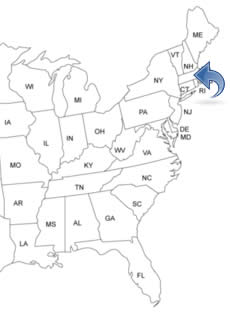
Lowell is located in the north-eastern part and is the fifth largest city in the U.S. State of Massachusetts. The city was built around water-powered textile mills, and is known as the cradle of the American Industrial Revolution.
To See And To Do In Lowell
- New England Quilt Museum
- Boott Cotton Mills Museum
- Whistler House Museum of Art
- Lowell Cemetery
- Lowell National Historical Park
- Navigation Brewing Co.
- Eastern Canal Park
- National Streetcar Museum
- Edson Cemetery
- Hitiques Antiques Shop
- Olympia Restaurant
- Jack Kerouac Birthplace
- St. Patrick's Catholic Church
History Of Lowell - Timeline
For thousands of years before the first European came, the Pawtucket and Wamesit tribes used the area for fishing and trading.
In 1631, English explorer came to the area as the Massachusetts Bay Colony expanded. In 1633, European's spread smallpox to the indigenous populations and around 95% of them died. The indigenous population had zero prior exposure or immunity to the disease.
In 1635, English settlers visited the area and came in contact with the indigenous populations and initiated fur trade with them. In 1653, English settlers established permanent settlements in the region.
In 1673, the Jerathmell Bowers House was built. Jerathmell Bowers was a prominent early colonial settler and militia leader in the area that later became Lowell. In 1676, English colonists built fortifications to protect themselves from hostile Indians.
In 1710, the Varnum family built a gristmill. In 1737, a textile mill was built on land that would later become Lowell. In 1796, the Pawtucket Canal opened.
In 1801, Moses Hale used a water-powered carding machine. The machine processed in 20 minutes what took days to do by hand. In 1802, the Chelmsford Glass Works' Long House was built. The Worcester House was built. Eldad Worcester was a farmer and builder.
In 1803, the Middlesex Canal opened. The canal helped establish the transportation infrastructure necessary for Lowell's development as an industrial city. In 1813, Phineas Whiting and Josiah Fletcher opened a cotton mill. In 1816, Bowers' saw and grist mills was built.
In 1821, the Merrimack Manufacturing Company was founded. The Wamesit Canal-Whipple Mill Industrial Complex was built. In 1822, Irish laborers arrive to dig the first power canals. In 1823, the Whistler House was built. James McNeill Whistler, who was born in the house, was a painter known for his world famous painting, Arrangement in Grey and Black No. 1, commonly known as Whistler's Mother, and his Nocturnes.
In 1824, the first large-scale textile mill was built. In 1826, the Town of Lowell was incorporated. In 1827, the Lowell Journal was in print. In 1830, a city hall was built. In 1831, the Lowell High School was founded. In 1835, the Boston and Lowell Railroad was completed. Boott Cotton Mills was incorporated.
In 1836, the City of Lowell was incorporated. In 1839, the Lowell Corporation Hospital opened. In 1841, Lowell Cemetery was built. In 1842, the author Charles Dickens visited the city and wrote about the "Lowell Experiment".
In 1845, the Lowell Machine Shop was incorporated. The Pollard Memorial Library opened. The Lowell Institute for Savings building was built. In 1846, Edson Cemetery was established. In 1848, Abraham Lincoln held a speech in the city. The Colburn School was built. In 1850, there were 33,383 people living in the city.
In 1852, the Brown–Maynard House was built. Samuel Brown was a supervisor at the Boott Mills. In 1853, St. Patrick's Church was built. In 1854, the Allen House, on the UMass Lowell South Campus, was built. In 1857, the Varnum School was built.
In 1864, a horse-powered streetcar line was established. In 1867, St. John’s Hospital was established. In 1872, the Jonathan Bowers House was built. Jonathan Bowers was an industrialist, quarry owner, and sawmill operator.
In 1873, the Hoyt-Shedd Estate was built. Eli Waite Hoyt and Freeman Ballard Shedd were business partners and philanthropists in the city. They created E.W. Hoyt and Co. In 1876, Dr. Augustin Thompson invented a medicine called "Moxie Nerve Food". It was marketed as a remedy for various ailments before being reformulated as a carbonated soft drink. It was one of the first mass-produced sodas in the US.
In 1882, the Butler School was built. It was named after Benjamin F. Butler, who was a prominent lawyer, Civil War Union Major General, and politician from Lowell. He helped slaves to escape, and he served as a Republican Congressman and the 33rd Governor of Massachusetts. The Varnum Building was built.
In 1883, a public library opened. (former Pollard Memorial Library). The Howe Building was built by the Howe brothers, who were heavily involved in the commercial development of downtown Lowell. The St. George Antiochian Orthodox Church building was originally built. The St. Joseph's Convent and School was built.
In 1884, the Warren Fox Building was built. In 1889, electric streetcars began operating in the city. In 1891, Lowell General Hospital was founded. In 1892, the Saint Joseph's Roman Catholic College for Boys was built. In 1893, the Lowell Memorial Hall opened to honor residents who died in the Civil War.
In 1894, the Normal School (later part of the University of Massachusetts Lowell) was founded. In 1895, Lowell Post Office was built. In 1896, the Grace Universalist Church was built. In 1897, the Lowell Textile School opened. The school educated the next generation of industry leaders. In 1898, the Pawtucket Congregational Church was built.
In 1908, the actress Bette Davis was born in the city. The construction of the Holy Trinity Greek Orthodox Church was completed. In 1909, The Musketaquid Mills was built.
In 1910, the saxophonist, and clarinetist, Joseph Allard, was born in the city. He was a professor at the Juilliard School, and coached the saxophone section for the Glenn Miller Orchestra and the Benny Goodman Orchestra. He also played in the NBC Symphony Orchestra.
In 1911, the Colonial Theatre opened. In 1915, World War I orders boosted production in the textile mills. In 1917, the Strand theatre opened. In 1921, the Textile industry began to decline. In 1922, the Lowell Memorial Auditorium was built, dedicated to local veterans of World War I. Jack Kerouac was born in the city. He was a famous novelist and poet.
In 1924, the Commodore Ballroom opened. It was a dance hall and concert venue that opened as "The Kasino." In 1926, the Flagg-Coburn House was built. Frederick W. Coburn was a historian, artist, and author. He wrote the comprehensive three-volume "A History of Lowell and Its People.
In 1927, the Victory Theater opened. In 1930, the construction of the F. Bradford Morse Federal Building began. In 1937, the Cawley Memorial Stadium was constructed. In 1942, the Lowell Ordnance Plant opened to produce military munitions.
In 1951: WCAP radio began broadcasting in the city. In 1974, the Lowell Heritage State Park was created. In 1978, the Lowell National Historical Park was established. In 1986, Prince Charles visited the city.
In 1987, the Middlesex Community College opened its Lowell campus. In 1991, the University of Massachusetts Lowell was officially established. The Industrial History Center was established at UMass Lowell. In 1996, the Lowell Spinners minor-league baseball team was founded.
In 1998, the Tsongas Center, a 6,000-seat multi-purpose arena, opened. The Edward A. LeLacheur Park, a 4,670-seat baseball stadium, opened. In 2009, the American Textile History Museum opened.
In 2026, there were 118,368 people living in the city.