Naperville People Search!
- ✔ Contact Info
- ✔ Phone Numbers
- ✔ Criminal Records
- ✔ Income Info
- ✔ Neighbors
- ✔ People's Age
- ✔ Property Ownership
- ✔ And Much More
Search People In Naperville, IL
Searching for people in Naperville, IL? Enter a name and press the search button and our USA people search will quickly locate and tell you where in Naperville that person lives. The result includes address, telephone number, criminal records, income, property records, and more.
The report includes:
- Address
- Phone Number
- Criminal Records
- Public Records
- Vehicle Records
- Income
- Occupation
- Education
- Property Ownership
- Age
- Gender
- Speeding Tickets
- Arrests
- Assaults
- Court Records
- Conviction Details
- Sex Offenses
- Jail Records
- Police Report
- Driving Violations
- Mugshot(s)
- Bankruptcy Filings
- Email Addresses
- Social Accounts
- Census Records
- Articles From Newspapers
- Immigration Documents
- Photos
- Birth
- Marrige
- Divorce
- Death
- Military Records
.......and much more.

Naperville, Illinois
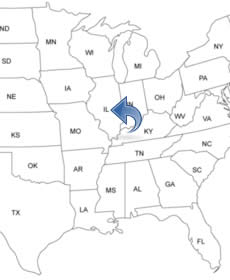
Naperville is located in the northeastern part and is the third largest city in the U.S. state of Illinois. The city is ranked as one of the best places to live in America. The city is known for its family-friendly environment, the schools, their public library system, and for the high quality of life.
The city has a historic district with nearly 600 buildings. The largest employer is Edward Hospital with around 4,500 employees.
To See And To Do In Naperville
- Explore Downtown
- Naper Settlement Outdoor History Museum
- Purple Dog Records vinyl store
- The Naperville Fine Arts Center
- The Vasili's Greek Restaurant
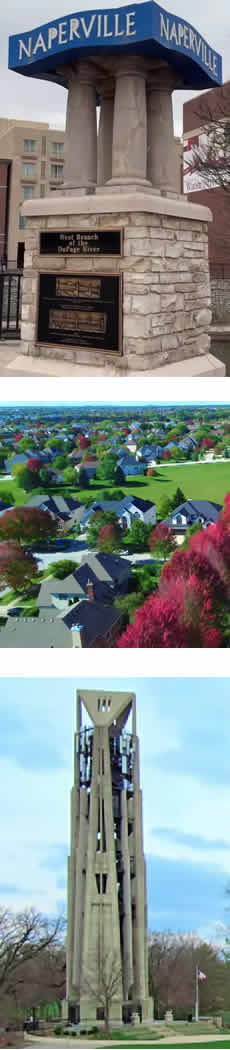
- The Millennium Carillon
- The Riverwalk in Downtown
- The Meson Sabika Spanish Tapas Restaurant
- The Sundance Gallery
- The Solemn Oath Brewery
- Galeria Azul
- The DuPage Children's Museum
- The Centennial Beach Aquatic Park
History Of Naperville - Timeline
Long before the white settlers came, the area was primarily inhabited by the Potawatomi tribe, and earlier the Illiniwek tribe. There was a Potawatomi village at the site of todays downtown Naperville. In 1641, the first records of European in the area shows that French explorers and fur traders had contact with Native Americans. In 1830, Stephen Scott and his family, and Bailey Hobson family, settle along the banks of the DuPage River. Bailey Hobson, later a soldier in the Black Hawk War, built a cabin, and Stephen Scott established a farm.
In 1831, the first permanent settlers, Joseph Naper and his wife, his brother John with wife, and a group of other families, founded the Naper's Settlement. They established a trading post to supply the community with essential goods, and Joseph Naper built the first house in the village. In 1832, around 180 people lived there, and they built, gristmills, sawmills and a hotel. In 1833, a post office was built, and the First Congregational church was established.
In 1834, Bailey Hobson established a grist mill, and a stagecoach was established. In 1835, Bailey Hobson built a home. In 1837, the Potawatomi abandoned their villages in todays Naperville downtown. In 1839, the village of Naperville became the original county seat of DuPage County. In 1840, the Old Naper Schoolhouse was built. It also served as the City Hall. In 1842, Joseph Naper drew the first plat for the village, and Jacob Englefriedt started the Engelfreidt's brewery. Also in 1842, the Naperville Cemetery was founded.
In 1843, William Briggs Greene settled and later built the Oak Cottage and Greene Barn. In 1846, a church was completed, and the Dieter House was built. In 1847, the Joe Naper General Store was built. The building was used for public meetings for many years. In 1849, Peter Stenger bought the Englefriedt brewery and started the Stenger Brewery. The same year, the first newspaper in Naperville, the DuPage County Recorder, was established.
In 1851, a road was completed between Naperville and Chicago. In 1855, Sybil Dunbar was the first known African-American resident in the village. In 1857, the village was incorporated, and Joseph Naper was elected the president of the board. In 1862, Joseph Naper died in Naperville. In 1864, the first railroad tracks were laid. In 1867, the Willard Scott, Jr. House was built. In 1868, the Thomas Clow House was completed.
In 1870, the Hillegas/White House was built for William Hillegas, a hardware merchant. In 1874, the Fire Department was founded. In 1883, the Martin Mitchell Mansion was built. In 1886, the Nichols House started to be built. (Later the Nichols Library). In 1887, Peter Edward Kroehler established the Kroehler Manufacturing Company. In 1889, a new City Hall was built.
In 1890, the city of Naperville was incorporated. In 1896, the Charles Lewis Schwartz Residence was built. In 1898, the Nichols Library was established. In 1899, Naperville had its own electricity. In 1900, around 2,600 people lived in the city. In 1907, the Kroehler Mansion was built by the businessman and manufacturer Peter Kroehler. That same year, the 1907 Edward Sanitorium opened. (Later Edward Hospital).
In 1916, the Truitt House was built. Dr. Truitt was a prominent physicians in the city. In 1928, the Beidelman Buildings was built. It was the home to Beidelman Furniture. In 1946, trains collided, west of the Loomis Street grade crossing, and killed 45 and injured 127 passengers. In 1950, around 7,000 people lived in the city. In 1955, the Edward Hospital opened.
In 1981, the Riverwalk was established. In 1999, the Moser Tower was built. It contains the Millennium Carillon with 72 bells, and is one of only four Grand Carillons in the world. In 2000, 128,358 people lived in the city.