Fort Collins People Search!
- ✔ Contact Info
- ✔ Phone Numbers
- ✔ Criminal Records
- ✔ Income Info
- ✔ Neighbors
- ✔ People's Age
- ✔ Property Ownership
- ✔ And Much More
Search People In Fort Collins, CO
Searching for people in Fort Collins, CO? Enter a name and press the search button and our USA people search will quickly locate and tell you where in Fort Collins that person lives. The result includes address, telephone number, criminal records, income, property records, and more.
The report includes:
- Address
- Phone Number
- Criminal Records
- Public Records
- Vehicle Records
- Income
- Occupation
- Education
- Property Ownership
- Age
- Gender
- Speeding Tickets
- Arrests
- Assaults
- Court Records
- Conviction Details
- Sex Offenses
- Jail Records
- Police Report
- Driving Violations
- Mugshot(s)
- Bankruptcy Filings
- Email Addresses
- Social Accounts
- Census Records
- Articles From Newspapers
- Immigration Documents
- Photos
- Birth
- Marrige
- Divorce
- Death
- Military Records
.......and much more.

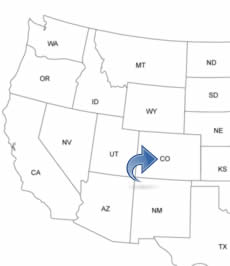
Fort Collins, Colorado
Fort Collins is located in the north-central part and is the fourth largest city in the U.S. State of Colorado. The city is home to the Colorado State University. The city is known as a peaceful place, and for its quality of life with access to education, and outdoor recreation.
Harper Goff created Disneyland's Main Street USA inside the main entrance of the Disney theme parks. He grew up in Fort Collins and photographed the buildings and used the pictures as the model for the buildings along Disneyland's Main Street USA.
To See And To Do In Fort Collins
- Fort Collins History Museum
- Old Town
- Fort Collins Early Settlement Tour
- The Gardens on Spring Creek
- Fort Collins Trolley Tour Throughout Old Town
- Golfing - Fort Collins has many golf courses throughout the city
- Visit the Avery House
- Blue Moose Art Gallery
- The Lincoln Center
- Fort Collins History Museum
- Fort Collins Museum of Discovery
- New Belgium Brewing Companyproduction tour
- Bas Bleu Theatre
- Global Village Museum
- 1883 Water Works
- Odell Brewing Company
- Lucile's Restaurant
- Museum of Art
- Fort Collins Symphony
- Cache La Poudre River
- Rodizio Grill - Brazilian Steakhouse Restaurant
- The Duchess Tea Room
- Gilded Goat Brewing Company
History Of Fort Collins - Timeline
12,000 years ago, the land was home to ancient Folsom people. Not long before the first Europeans came to the area, the land was used seasonally by the Arapaho, Cheyenne, and Ute tribes. In 1542, the earliest recorded European explorer reached the area.
In 1858, the frontiersman Antoine Janis built a cabin and established a settlement. In 1859, Rock Bush settled and built a cabin and established a farm.
In 1860, Robert Boyd established a ranch. The ranch later supplied early Fort Collins residents with butter and milk. George Robert Strauss arrived and built a stone-based cabin. He helped G.R. Sanderson to develop the first agricultural irrigation ditches used to give water to farms. James Booth Arthur settled and went for the hay business. He developed hay-baling technique which made horse and cattle feeding more efficient.
In 1861, Walter J. Prendergast established a ranch. In 1862, the 22-years old Joseph Mason settled on land in present-day north Fort Collins. He was an explorer, and later a business man, and a law man. John G. Coy and his wife established a farm.
In 1864, Joseph Mason persuaded the United States Army to move the nearby location of Camp Collins to his settlement, and Fort Collins was founded as a military outpost. Lieutenant Casper Collins performed the first survey of the new military post and layed of the village. Auntie Stone's Cabin was built as the officers mess hall. Doctor Timothy Smith arrived and set up his practice, and selected a site for a hospital.
Charlie Clay, who was born enslaved, settled. He made a living by collecting discarded items and sold them. He worked as a barber, shoemaker, cook and brewer. He was later hired to be the towns official trash collector.
In 1865, Joseph Mason and Major Asaph Allen built the first store. A post office opened with Joseph Mason as postmaster. In 1866, the Old Grout building was built. It served as a hub for the growing village, and housed a general store, a hotel, and a post office. John R. Brown purchased a right to a farm, and started a blacksmith business. Auntie Stone's cabin was used as a school. Edward Melinger opened a brewery.
In 1867, Elizabeth "Auntie" Stone converted Auntie Stone's Cabin into a public hotel. She and Henry C. Peterson began the construction of a grist mill and processed wheat and corn growned by local farmers. Agnes Mason Giddings was born. She is believed to be the first white child born in the village.
In 1869, the Lindell Mills was established by Henry C. Petersonand Elizabeth "Auntie" Stone. In 1870, the Colorado State University was founded. (Colorado Agricultural College). School District nr 5 was established. In 1871, Joseph Mason was elected Sheriff, and a small frame school house was built. Benjamin T. Whedbee opened a general store.
In 1872, Joseph Mason purchased the Lindell flour mill from Elizabeth Auntie Stone and Henry C. Peterson. A Drug Store opened. A law office opened in the Old Grout building by Ledru R. Rhodes. Rhodes was a lawyer and participated on many of Fort Collins boards and committees and he also served a term as a state senator.
In 1873, Franklin Avery moved to Fort Collins. He surveyed, designed and platted the town and built wider streets. Ledru R. Rhodes built his house. In 1877, the railroad was built. Louis Dauth opened a bakery. The railroad reached the town. In 1878, the Fort Collins Courier newspaper was published.
In 1879, Old Main campus building at Colorado State University was built. The Remington School was erected. The Avery House was built. In 1880, the Tedmon House Hotel was built. Montezuma Fuller arrived, He was the most prolific architect in Fort Collins, and shaped the towns architectural landscape.
In 1881, Larimer County Bank (First National Bank) was stablished by Franklin C. Avery. In 1882, Abner Loomis and Charles B. Andrews built the Loomis Block, where the Linden Hotel, the Poudre Valley Bank and the Fort Collins post office were. Fort Collins City Hall and Firehouse was constructed. A reading room was established in the back of a Presbyterian Church.
In 1883, the Town of Fort Collins was incorporated. The Fort Collins Water Works was construction. It was crucial for the growing town's infrastructure, utilizing water from the nearby Cache la Poudre River. In 1885, the McHugh–Andrews House was built. In 1886, the Harmony Mill was built.
In 1887, the Fort Collins Light and Power Company was established. A courthouse was built, and a telephone installed in the courthouse. The Franklin School was built. The William C. Stover House was built. William C. Stover was a prominent banker, and businessman, who helped draft the Colorado state constitution.
In 1888, James H. Howe murdered his wife with a knife, while he was intoxicated. He was lynched by a mob in the courthouse yard the night of the murder. A Fire Department was established. Frank P. Stover opened a drug store. In 1889, a library opened and Albert Damm opened the Colorado Bakery and Grocery.
In 1893, a telephone toll line was installed, connecting Fort Collins with Denver and Greeley. The Poudre Valley Bank was incorporated. The Mosman House was completed. W.O. Mosman operated stores and freighting companies. In 1894, the Montezuma Fuller House was constructed.
In 1900, roughly 3,000 people were living in the town. The Hattie McDaniel House was built. Hattie McDaniel was the first black person to win an Oscar, for her role in Gone with the Wind as Mammy. In 1901, the St. Joseph’s Roman Catholic Church was built. In 1903, the town was earning the title of the Lamb Feeding Capital of the World. Sheep farming was a cornerstone of the economy.
In 1904, Carnegie Library was built. The construction of The First Baptist Church was completed. In 1905, the Agricultural Hotel opened. The German Evangelical Congregational building was constructed. In 1906, a hospital and a high school were built. In 1907, Orpheum Theater opened. A streetcar line was established. It was the smallest city in the nation with its own streetcar system.
In 1909, Frank P. Stover opened his second drug store. In 1911, the Colorado and Southern Freight Depot was built. In 1912, a post office was built. (Today home to the Fort Collins Museum of Art). In 1922, the Marion Alice Parker and Frank P. Stover House was built. Ammons Hall, located on the Colorado State University, was built.
In 1923, the Armstrong Hotel was built. The Fort Collins Symphony was established. In 1924, the new Fort Collins High School was completed. The Bradley House was built by Harry and Maude Bradley. They had an art studio, an art gallery, and an automobile sales business.
In 1925, the Saint Joseph School building was constructed. In 1929, the Holy Family Catholic Church building was constructed. In 1941, the Fort Collins Museum was established. In 1972, the Foothills Fashion Mall opened. In 1974, a bus system was established. In 1977, a new public library opened. In 1978, Hewlett-Packard came to the city, and the Lincoln Center for the Performing Arts opened.
In 1991, the New Belgium Brewing Company was founded. In 2004, the Gardens on Spring Creek was established. In 2016, the construction of the Fort Collins Colorado Temple was completed. In 2025, there were 171,118 people living in the city.