Huntsville People Search!
- ✔ Contact Info
- ✔ Phone Numbers
- ✔ Criminal Records
- ✔ Income Info
- ✔ Neighbors
- ✔ People's Age
- ✔ Property Ownership
- ✔ And Much More
Search People In Huntsville, AL
Searching for people in Huntsville, AL? Enter a name and press the search button and our USA people search will quickly locate and tell you where in Huntsville that person lives. The result includes address, telephone number, criminal records, income, property records, and more.
The report includes:
- Address
- Phone Number
- Criminal Records
- Public Records
- Vehicle Records
- Income
- Occupation
- Education
- Property Ownership
- Age
- Gender
- Speeding Tickets
- Arrests
- Assaults
- Court Records
- Conviction Details
- Sex Offenses
- Jail Records
- Police Report
- Driving Violations
- Mugshot(s)
- Bankruptcy Filings
- Email Addresses
- Social Accounts
- Census Records
- Articles From Newspapers
- Immigration Documents
- Photos
- Birth
- Marrige
- Divorce
- Death
- Military Records
.......and much more.

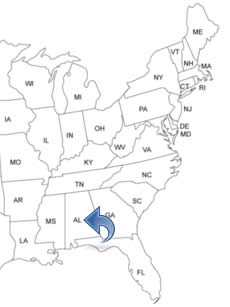
Huntsville, Alabama
Huntsville is located in the north-central part and is the largest city in the U.S. state of Alabama. Also called Rocket City. The city is a center for aerospace and military technology. It is where Wernher von Braun's team developed rockets for the Space Race, leading to the moon landing. The city has a high concentration of engineers, focusing on aerospace, defense, and information technology.
The city is ranked as a top place to live, work, and to raise a family in. Huntsville offers affordable housing, and a family-friendly, and a safe environment. It is one of the most educated cities in the U.S.
To See And To Do In Huntsville
- Big Spring Park
- U.S. Space and Rocket Center
- Burritt on the Mountain
- Weeden House Museum
- Lowe Mill Arts and Entertainment
- SIGNALS Museum of Information Explosion
- Parkway Place Shopping Mall
- Denise Onwere Gallery
- Huntsville Botanical Garden
- BeeZr Brewery
- Railroad Station Antique Mall
- Huntsville Madison County Veterans Memorial
- Ditto Landing
- Alabama Constitution Hall Park
History Of Huntsville - Timeline
Thousands of years before the arrival of European-American pioneers, Native American tribes lived in the area. In 1802, James Ditto arrived and established a trading post and a ferry. In 1803, Isaac Kryer, scouted the area. Isaac and Joseph Kryer, and Steven McBroom settled in the New Market area, near what would become Huntsville.
In 1805, John Hunt built cabin and settled near Hunt's Spring, named after him. In 1806, a large numbers of homeseekers came to the area and a village was now on the way to be founded. In 1807, the first school was established by the settlers. In 1808, the village, which grew around Hunt's Spring, was named Twickenham by LeRoy Pope, after Twickenham in England. Joel Eddins House, a log structure, was built.
In 1809, LeRoy Pope, John Lowry, Robert lanford, and other wealthy planters, purchased land around Hunt's Spring, including John Hunt's settlement, and the town of Twickenham was incorporated. In 1810, Thomas and William Brandon, who were brick masons, arrived. They transformated the early log hut settlement into a town by constructing the first brick homes and public buildings. The Joel Eddins House was built.
In 1811, the town of Huntsville was incorporated. Twickenham was renamed Huntsville to honor John Hunt. In 1812, the Madison County Gazette newspaper began publication, and the Green Academy school was established. The Jude–Crutcher plantation house was built. In 1813, the first church building, First Baptist Church, completed their first dedicated meetinghouse. The Urquhart House was built.
In 1814, the David Wade house was built. In 1815, there were five cotton gins operating in the town. Huntsville Inn was constructed. It was a venue for parties, dances, concerts, lectures, and political gatherings. In 1816, the Huntsville Republican newspaper began publication. In 1818, the Phelps–Jones House was built. The Public Inn was constructed. A public house for travelers and boarders It was operated by William E. Phillips.
In 1819, President James Monroe visited Huntsville and stayed at the Huntsville Inn. The Huntsville Fire Engine Company was incorporated, and the Weeden House was built. Huntsville served as Alabama's first capital when the state joined the union. In 1822, the Maple Hill Cemetery was built. In 1825, the Southern Advocate and Huntsville Advertiser newspaper began publication. In 1827, the White–Turner–Sanford House was built by James White, a merchant from Virginia.
In 1830, the carpenter William Leech built the Leech–Hauer House. In 1832, the Lowry House was built. In 1835, the Clemens House was built. It was the home to author and U.S. senator Jeremiah Clemens. The Schiffman Building was built. The Withers-Chapman House was built by Allen Christian. In 1836, the Bibb-Bradley-Beirne House was built. Thomas Bibb was the second governor of Alabama. The First National Bank building was completed.
In 1840, George Steele built the Oak Place house. George Steele was an architect who designed many of the buildings in Huntsville. In 1844, Huntsville was chartered as a city. The Oaklawn building was built by John Robinson. He was one of the largest landowners in the area. In 1846, the poet Maria Howard Weeden was born in Huntsville.
In 1848, the Humphreys–Rodgers House was built. In 1850, the William Lanford House was completed. In 1854, the Quietdale house was completed. It was built for Caroline Moore Robinson, the widow of Madison County Sheriff William Robinson. In 1855, the first train arrived. In 1859, the Church of the Nativity was built. In 1860, the city of Huntsville was incorporated, and the Huntsville Depot was built. It is the oldest surviving railroad depot in Alabama. The First Presbyterian Church was built.
In 1862, Huntsville was occupied by Union forces. In 1870, the Glenwood Cemetery was founded. In 1874, the First United Methodist Church was built. In 1877, the St. Mary of the Visitation church was built. In 1879, James B. and Daniel T. Harrison opened a tobacco shop.
In 1886, the first electric lights were installed, which included downtown street lighting. In 1887, the Kildare–McCormick House was completed, and the Randolph Street Church of Christ was built. In 1890, Huntsville's public horse-drawn transport streetcar system started. In 1888, the old Post Office and Courts was built. In 1891, the Dallas Mill built. It was a manufacturer of cotton sheeting.
In 1895, the Huntsville Infirmary was founded. It was the first hospital in Huntsville, which eventually grew and evolved into the Huntsville Hospital Health System. In 1896, the Oakwood College was founded. In 1898, the construction of the Big Spring Park began. In 1899, the Temple B'nai Sholom was completed.
In 1900, the Hundley House was built. Oscar Richard Hundley was a lawyer who served as City Attorney. The Lincoln Mill opened. It was the largest cotton mill in the city. The Vaught House was built by Charles N. Vaught. In 1904, a mob of 2000 people lynched Horace Maples, an African-American man, who had been accused of murder. The W. L. Halsey Warehouse was built. In 1906, the Lyric Theatre opened. In 1910. Huntsville Daily Times newspaper began publication.
In 1916, the Carnegie Public Library building opened. In 1923, the Halsey Grocery Warehouse opened. In 1925, the Terry Hutchens Building was built for the Tennessee Valley Bank. In 1927, the Mason Furniture Building was built. In 1928, the Russel Erskine Hotel was built. The Times Building, the headquarters for The Huntsville Times, was completed. In 1932, the Courthouse and Post Office building was built. The building was constructed as a courthouse, post office, and federal office building.
In 1937, WBHP radio began broadcasting. In 1941, the Redstone Arsenal was built. In 1938, Dr. Burritt's Mansion was built. In 1947, the Keller Motors Corporation produced their cars in the city. In 1955, the Huntsville Symphony Orchestra was formed, and the Burritt on the Mountain, an open-air museum, was established. In 1958, the actor Reg E. Cathey was born in the city. (The Wire, House of Cards, The Mask). In 1959, WAFG-TV began broadcasting. In 1960, the U.S. NASA Marshall Space Flight Center was established.
In 1964, the Huntsville News began publication. Mervyn Warren was born in the city. He is a film composer, songwriter, record producer, and a five-time Grammy Award winner. In 1969, the Virgil I. Grissom High School was established. In 1975, the Von Braun Center entertainment complex opened. In 1984, the Madison Square Mall opened. In 1988, the Huntsville Botanical Garden opened. In 1997, the U.S. Army Aviation and Missile Command opened its headquarter in the city. In 2022, the Orion Amphitheater opened. In 2025, the population data showed that 230,402 people lived in the city.