Stamford People Search!
- ✔ Contact Info
- ✔ Phone Numbers
- ✔ Criminal Records
- ✔ Income Info
- ✔ Neighbors
- ✔ People's Age
- ✔ Property Ownership
- ✔ And Much More
Search People In Stamford, CT
Searching for people in Stamford, CT? Enter a name and press the search button and our USA people search will quickly locate and tell you where in Stamford that person lives. The result includes address, telephone number, criminal records, income, property records, and more.
The report includes:
- Address
- Phone Number
- Criminal Records
- Public Records
- Vehicle Records
- Income
- Occupation
- Education
- Property Ownership
- Age
- Gender
- Speeding Tickets
- Arrests
- Assaults
- Court Records
- Conviction Details
- Sex Offenses
- Jail Records
- Police Report
- Driving Violations
- Mugshot(s)
- Bankruptcy Filings
- Email Addresses
- Social Accounts
- Census Records
- Articles From Newspapers
- Immigration Documents
- Photos
- Birth
- Marrige
- Divorce
- Death
- Military Records
.......and much more.

Stamford, Connecticut
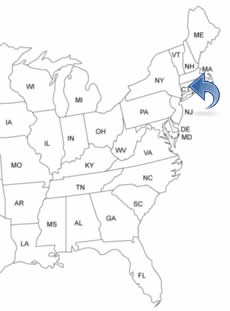
Stamford is located in the southwestern part of Connecticut and it is the second largest city in the U.S. State of Connecticut. It is a major corporate hub, home to many Fortune 500 companies.
The city has a vibrant arts scene with theatres, galleries, and museums, and is noted for its quality of life and desirable features. It is ranked as one of the safest city in the nation to live in. Taking a trip to Manhattan is only a 45-minute train ride.
To See And To Do In Stamford
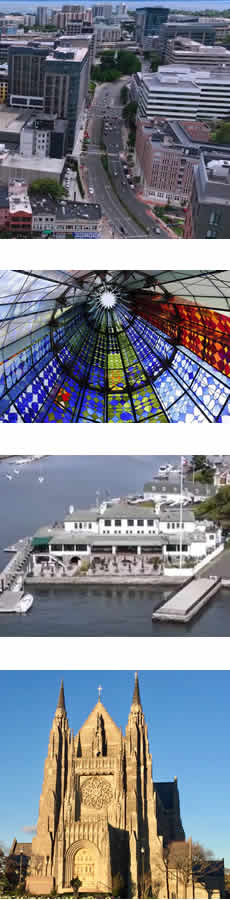
- First Presbyterian Church
- Stamford Museum and Nature Center
- Cove Island Park
- The Palace Theater
- The Cummings Park
- Basilica of Saint John the Evangelist Roman Catholic Church
- Cafe Silvium
- The Beer Garden at Shippan Landing
- Ukrainian Museum and Library
- Lock City Brewing Company
History Of Stamford - Timeline
Thousands of years before the first European came to the region the Siwanoy Native Americans lived there. The region was originally called Rippowam by the Native Americans.
In 1614, Adriaen Block was the first European to explore the coastal area of present-day Stamford. In 1640, Captain Nathaniel Turner, from the New Haven Colony, bought land from the indigenous people. In 1641, Captain Turner sold the land to Reverend Richard Denton and 29 families. They settled the land and built a mill, a meeting-house and their own homes. Jonathan Bell was the first child born in the village. In 1642, the settlers renamed Rippowam to Stamford. Captain John Underhill moved to the village. He was a soldier and a governor.
In 1662, Stanford was to be recognized as a Connecticut Colony town. In 1671, a public schoolhouse and a church were built. In 1692, the town was home to a witch trial. Katherine Branch accused two women of witchcraft. Unlike in Salem, where 19 were hanged, both women were acquitted. In 1699, the Hoyt-Barnum House was built by the blacksmith Samuel Hoyt. Today the house operates as a historic museum.
In 1705, the John Knap House was built. In 1715, Abraham Davenport was born in the town. Later he became a Connecticut councillor and judge, and he became the wealthiest property owner in the town. In 1735, the Benjamin Hait House was completed. In 1742, an Anglican church was established, and the construction of a town house was completed. In 1773, a Baptist churches was established. In 1775, the Deacon John Davenport House was built. In 1779 a house was built that hosted the town meetings.
In 1781, General David Waterbury built Fort Stamford to protect the town from raids. It was home to 800 soldiers. In 1788, a Methodist church was established. In 1790, around 4,000 people lived in the town. In 1791, the Cove Island Houses was built. In 1792, the Stamford Manufacturing Co started.
In 1800, there were 4,352 people living in the town. In 1825, a steamboat service to New York City was established. In 1829, the newspaper, the Intelligencer, was founded. In 1830, Democratic Sentinel newspaper was published In 1838, William Betts founded Betts Academy. It was a private academy for boys.
In 1848, the newspaper, the Stamford Advocate, was published. The first train arrived. In 1851, a Catholic church, the Basilica of Saint John the Evangelist, was built. In 1852, the Centre School opened. In 1855, the Catherine Aiken school opened. It was a private school for girls. In 1868, Yale, a lock manufacturer, was established in the town.
In 1869, the Yale and Towne building was constructed. The construction of St. John's Protestant Episcopal Church began. In 1870, the Unitarian Universalist Church was built. In 1876, the King School opened. A private school for boys. In 1880, the Gustavus and Sarah T. Pike House was built. In 1882, the Harbor Ledge Light was constructed. In 1886, the town had electric streetlights. The Linden Apartment house was built.
In 1887, horse-drawn streetcars began running in the town. In 1888, the Main Street Bridge was built. In 1891, St. Luke's Chapel was built. In 1892, the Grand Opera House was built. (Todays Stamford Center for the Arts / Palace Theatre). In 1893, Stamford was incorporated as a city. The Stamford Police Department was organized. In 1894, the city had electric streetcars. In 1896, a building for Stamford's high school was built.
In 1900, there were 18,839 people living in the city. In 1904, the Congregation Agudath Sholom first synagogue was constructed. In 1905, a new Town Hall building was constructed. (The Old Town Hall). In 1908, a volunteer fire company was founded. In 1914, the Marion Castle was built. Frank Marion was a motion picture pioneer. In 1916, a United States Post Office was built.
In 1919, the J.M. Wright Technical High School opened. In 1924, thousands of Klansmen had a Klan meeting, organized by Harry Lutterman. It was one of the largest Klan meeting in the state. In 1925, the Zion Lutheran Church was built. In 1927, the Palace Theatre opened. In 1928, the St. Mary's Church was built. In 1930, St. Benedict's Church was built. In 1931, the Bendel Mansion was completed. (Todays Museum and Nature Center). In 1938, the actor Christopher Lloyd was born in the city. In 1939, the Avon Theatre opened.
In 1946, 10,000 people engaged in a general strike to support the striking Yale and Towne Factory workers. In 1951, the college UConn Stamford opened. In 1961, the Rippowam High School opened. In 1971, the Westhill High School opened. In 1973, the One Landmark Square skyscraper was completed. In 1977, the Stamford Marriott building was built. In 1980 the Stamford Forum office building was built.
In 2000, approximately 119,000 people lived in the city. In 2009, the Park Tower Stamford opened. In 2017, the Atlantic Station was completed. It is a 26-story apartment tower. In 2025, there were 140,049 people living in the city.